

Horizontal Signaling is that which is executed on the pavement of a road for the control, warning and guidance or information of the user. They are stripes and marks made on the pavement, with reflective paint.
Greetings designers! A well-designed signage project increases safety in adverse conditions such as fog and rain, in addition to contributing to the reduction of accidents. In this content, we have separated the main horizontal signs that exist. Horizontal signs come in five colors:
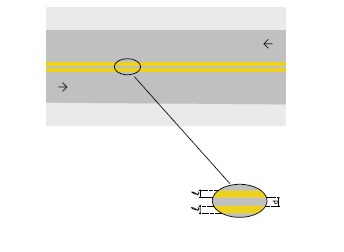
YELLOW horizontal signaling
It is used to regulate flows in opposite directions, to delimit spaces where parking and/or stopping are prohibited and to mark obstacles.
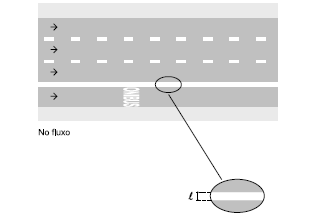
WHITE horizontal signage
It is used to regulate flows in the same direction; to delimit special spaces, sections of roads, intended for regulated parking of vehicles in special conditions; to mark pedestrian crossings; to paint symbols and legends.
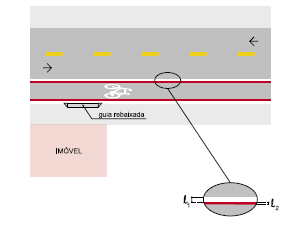
RED horizontal signaling
Used in the regulation of space intended for the movement of light bicycles (cycle paths) and in symbols (Ex.: hospitals and pharmacies – cross).
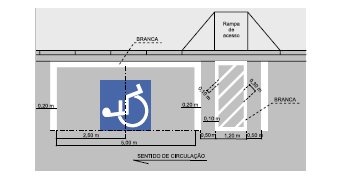
BLUE signage
Used to paint symbols in special parking areas or stopping areas for boarding and disembarking.
Horizontal signage BLACK
It is used to provide contrast between the floor and the paint.
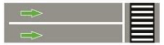
Various materials can be used to create this type of signage. The following factors should be taken into account when choosing the material: nature of the project (temporary or permanent), traffic classification volume (VDM), quality and useful life of the pavement, frequency of maintenance, among others. Among the materials that can be used are paints, two-component plastic compounds, thermoplastic compounds, cold-applied plastics, prefabricated films, among others.
For everyone's safety and providing better nighttime visibility, this signage must be retroreflective.
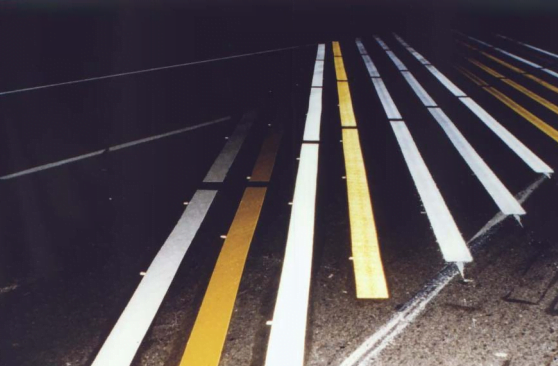
Image: signage with retroreflective paint
We can see the importance of always consulting the signage manuals for the correct development of the project, because in addition to information on the colors and materials that were mentioned, we will also have information on the application, maintenance and classification of the signage.
Taking all this into consideration, we created this content bringing together the main horizontal signage manuals so that you can download and consult them whenever necessary.
If you miss any, send it to us by email. suporte@seabrasolucoes.com.br
Take the opportunity to check out the content we created bringing together the main manuals for vertical signage.
Download Signaling Manuals
Download all horizontal signage manuals in PDF format now to develop your signage projects.
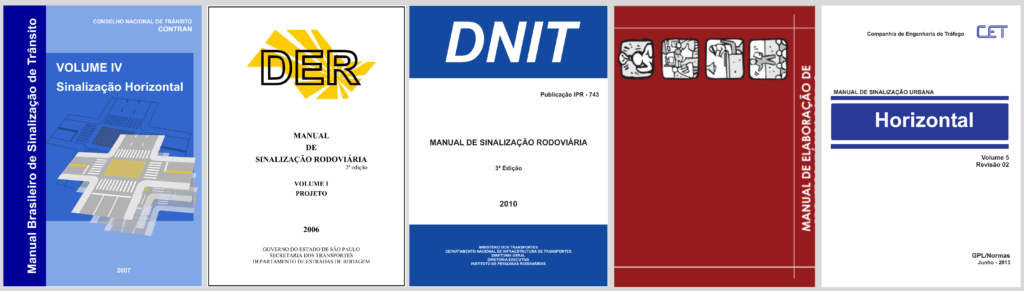
When downloading you will receive the vertical signage manual from CONTRAN, DNIT, DER, BHTRANS, CET.
Didn't find what you were looking for? Be sure to check out our other content on signaling manuals:

